


Abstract
Ceramic membrane filtration represents a significant advancement in separation technology, offering robust solutions to challenges that conventional polymeric filters cannot adequately address. This analysis examines the material science, operational principles, and diverse industrial ceramics filtration applications. The core of the technology lies in the inherent properties of ceramic materials like alumina, zirconia, and silicon carbide, which provide exceptional thermal stability, chemical resistance, and mechanical strength. These characteristics allow for operation in harsh environments involving high temperatures, extreme pH levels, and abrasive particles. The article explores seven primary domains where these filters are driving efficiency and sustainability as of 2025. These include mining and mineral processing for dewatering, municipal and industrial water treatment for purification, food and beverage production for clarification, and pharmaceuticals for sterile filtration. Further applications are detailed in the chemical sector for catalyst recovery, in manufacturing for oily wastewater management, and in emerging fields such as power generation and resource extraction. The operational superiority of ceramic systems, particularly in terms of flux stability, longevity, and reduced operational expenditure over the long term, is systematically evaluated. This exploration provides a comprehensive overview of the current state and future potential of ceramics filtration applications.
Key Takeaways
- Ceramic filters offer superior thermal, chemical, and mechanical stability over polymer alternatives.
- Key ceramics filtration applications include mining, water treatment, and food processing.
- These systems provide a lower total cost of ownership despite higher initial investment.
- Advanced materials like silicon carbide enable filtration in extremely harsh conditions.
- Ceramic membranes are effective for breaking difficult oil-water emulsions.
- Proper cleaning protocols, like backwashing, are vital for maintaining filter longevity.
- The technology facilitates compliance with stringent environmental discharge regulations.
Table of Contents
- The Foundational Principles of Ceramic Filtration
- A Comparative Overview: Ceramic Versus Polymeric Filtration Systems
- 1. Revolutionizing Mining and Mineral Processing
- 2. Enhancing Water and Wastewater Treatment
- 3. Advancing the Food and Beverage Industry
- 4. Optimizing Pharmaceutical and Biotechnological Processes
- 5. Innovating in the Chemical and Petrochemical Sectors
- 6. Managing Oily Wastewater in Metalworking and Manufacturing
- 7. Emerging Applications in Power Generation and Beyond
- Selecting and Implementing a Ceramic Filtration System
- Frequently Asked Questions (FAQ)
- Conclusion
- References
The Foundational Principles of Ceramic Filtration
To begin our exploration of ceramics filtration applications, we must first establish a groundwork of understanding. What exactly is a ceramic filter, and how does its function depart from more familiar filtration methods? At its heart, filtration is a simple concept: the separation of one substance from another. A coffee filter separates solid grounds from liquid coffee. A furnace filter separates dust particles from the air. In these cases, the filter medium is a passive barrier with pores larger than the liquid or gas molecules but smaller than the solid particles we wish to remove.
Ceramic filtration operates on a similar principle but with a level of precision, durability, and resilience that opens up a vast landscape of industrial possibilities. Imagine, for a moment, not a flimsy paper or fabric, but a solid, seemingly impenetrable piece of ceramic. Now, envision that this solid material is permeated by a network of microscopic, perfectly uniform tunnels or pores. The size of these pores is engineered with incredible accuracy, often down to the nanometer scale. When a fluid containing suspended solids, oils, or even bacteria is forced against this ceramic surface, the fluid molecules pass through the pores, while the larger contaminants are left behind. This is the essence of ceramic membrane filtration.
What Distinguishes Ceramic from Polymeric Membranes?
The most common alternative in high-tech filtration is the polymeric, or plastic, membrane. These have been workhorses for decades in applications like reverse osmosis for desalinating water. So, why the shift toward ceramics in many demanding fields? The answer lies in the fundamental nature of the materials themselves.
Polymeric membranes are made from long chains of organic molecules. While versatile and relatively inexpensive to produce, they have inherent limitations. Think of a plastic container left in a hot car; it can warp, soften, or become brittle. Similarly, polymeric filters are sensitive to high temperatures. They can also be degraded by aggressive chemicals, such as strong acids, bases, or organic solvents, which can cause them to swell, dissolve, or lose their structural integrity. Their physical structure is less rigid, making them susceptible to compaction under high pressure and abrasion from sharp particles, which can irreversibly damage the delicate pore structure.
Ceramic filters, conversely, are inorganic and are created by sintering mineral powders (like alumina or silicon carbide) at extremely high temperatures, often exceeding 1,500°C. This process fuses the particles into a monolithic, stone-like structure of immense strength and stability. This material is indifferent to temperatures that would melt any polymer. It can withstand nearly the entire pH scale, from highly corrosive acids to caustic bases. Its hardness makes it exceptionally resistant to abrasion. This robustness translates directly into a longer operational life and the ability to function in process streams that would destroy a polymeric filter in minutes. The discussion of various ceramics filtration applications will repeatedly return to these core material advantages.
The Material Science: From Alumina to Silicon Carbide
Not all ceramic filters are created equal. The choice of ceramic material is a calculated decision based on the specific demands of the intended application.
- Alumina (Al₂O₃): This is one of the most common and cost-effective materials for ceramic membranes. It offers a good balance of chemical resistance, thermal stability, and mechanical strength. Alumina filters are widely used in water treatment and food processing, where conditions are demanding but not extreme.
- Zirconia (ZrO₂): Often used as a thin coating on a more porous alumina support, zirconia provides enhanced chemical stability, particularly against caustic solutions. It allows for a finer pore structure, pushing the filtration capability into the ultrafiltration range, suitable for separating large proteins or emulsified oils.
- Titania (TiO₂): Similar to zirconia, titania is often used as a membrane layer. It is well-regarded for its chemical stability and is particularly interesting for its photocatalytic properties, which can be harnessed to break down organic pollutants under UV light, adding a layer of active treatment to the passive filtration.
- Silicon Carbide (SiC): This represents the premium tier of ceramic filter materials. Silicon carbide is one of the hardest and most durable materials known. It possesses exceptional thermal conductivity, which is a great benefit during cleaning cycles. More importantly, its chemical inertness is almost absolute, and its hydrophilic (water-attracting) and oleophobic (oil-repelling) surface properties make it uniquely effective for separating oil from water. The extreme durability of SiC makes it the material of choice for the most aggressive ceramics filtration applications, such as treating wastewater from oil and gas production or dewatering highly abrasive mining slurries.
The filter itself is often a composite structure. A macroporous support, typically made of alumina, provides the mechanical strength. On top of this support, one or more intermediate layers are deposited, each with progressively smaller pores. Finally, the active membrane layer, perhaps made of zirconia or silicon carbide, is applied. This multi-layer design allows for a combination of high strength and very fine, precise separation.
Understanding Pore Size, Flux, and Transmembrane Pressure
To speak proficiently about filtration, we must be comfortable with three interrelated concepts: pore size, flux, and transmembrane pressure (TMP).
-
Pore Size: This determines the level of filtration. The categories are generally defined as:
- Microfiltration (MF): Pores are typically in the range of 0.1 to 10 micrometers (µm). This is effective for removing suspended solids, bacteria, and fat globules.
- Ultrafiltration (UF): Pores range from 0.01 to 0.1 µm. This level can separate viruses, proteins, and emulsified oils.
- Nanofiltration (NF): Pores are even smaller, around 0.001 to 0.01 µm. Nanofiltration can remove dissolved salts (multivalent ions) and smaller organic molecules.
-
Flux: This is the measure of how much fluid passes through a given area of the filter in a given amount of time. It is usually expressed in liters per square meter per hour (LMH). A high flux rate is generally desirable, as it means more fluid can be processed with a smaller filtration system. However, flux is not constant. As the filter removes contaminants, a "cake layer" builds up on the surface, and some pores may become blocked, causing the flux to decline.
-
Transmembrane Pressure (TMP): This is the pressure difference across the filter membrane that drives the fluid through the pores. A higher TMP generally leads to a higher initial flux. However, excessive pressure can compact the cake layer, making it less permeable and accelerating fouling, a phenomenon known as pore blockage. The goal in any filtration operation is to find the optimal TMP that maximizes flux over a sustained period without causing rapid, irreversible fouling.
The operational mode also plays a monumental role. In dead-end filtration, the entire fluid stream is forced directly through the filter, much like in a coffee maker. All contaminants are deposited on the surface. In cross-flow filtration, which is standard for most advanced ceramics filtration applications, the feed stream flows parallel to the filter surface. The pressure gradient pushes some of the fluid (the permeate) through the membrane, while the bulk of the flow sweeps across the surface, scouring away the accumulating cake layer and carrying the concentrated contaminants (the retentate) away. This dynamic process dramatically reduces the rate of fouling and allows for much longer, more stable operation before cleaning is required.
A Comparative Overview: Ceramic Versus Polymeric Filtration Systems
To contextualize the practical implications of choosing a filtration technology, a direct comparison is helpful. The decision between a ceramic and a polymeric system is not merely one of preference; it is a strategic choice based on the specific chemical, thermal, and physical challenges of the process stream, balanced against economic considerations over the entire lifecycle of the equipment. The following table outlines the fundamental differences that guide engineers and plant managers in their selection process.
| Feature | Ceramic Filtration Systems | Polymeric Filtration Systems |
|---|---|---|
| Primary Material | Alumina (Al₂O₃), Silicon Carbide (SiC), Zirconia (ZrO₂) | Polysulfone (PSU), Polyethersulfone (PES), Polyvinylidene Fluoride (PVDF) |
| Operating Temperature | Very High (up to 800°C+) | Low to Moderate (typically < 80°C) |
| pH Resistance | Excellent (pH 0-14) | Limited (typically pH 2-11) |
| Abrasion Resistance | Excellent; suitable for abrasive slurries. | Poor; susceptible to damage from sharp particles. |
| Operating Pressure | High; rigid structure prevents compaction. | Moderate; can compact at high pressures, reducing flux. |
| Cleaning Methods | Aggressive backflushing, steam, strong chemicals. | Gentle backflushing, moderate chemical cleaning. |
| Flux Stability | High and stable over long periods. | Prone to decline due to fouling and compaction. |
| Operational Lifespan | Very Long (10-20+ years) | Shorter (3-7 years) |
| Initial Capital Cost | High | Low to Moderate |
| Total Cost of Ownership | Often lower due to longevity and reduced maintenance. | Can be higher due to frequent replacement and downtime. |
1. Revolutionizing Mining and Mineral Processing
The mining industry is, by its nature, a brute-force endeavor. It involves moving and crushing massive quantities of earth to liberate valuable minerals. A persistent and costly challenge throughout this process is the separation of fine solid particles from water. This is not just about producing a dry final product; it is also about recovering and reusing vast quantities of process water, a matter of both economic sense and environmental stewardship. Traditional methods like vacuum drum filters or conventional filter presses using simple filter cloth have long struggled with the unique difficulties presented by mineral slurries. Here, the specific ceramics filtration applications offer a transformative solution.
The Challenge of Dewatering Mineral Concentrates
After minerals like iron, copper, or gold are crushed and ground into a fine powder, they are often mixed with water to form a slurry. This slurry undergoes various processes to concentrate the valuable mineral. The final step is to remove as much water as possible from this concentrate. The goal is twofold: to produce a "cake" of mineral solids that is dry enough to be handled, transported, and further processed, while simultaneously producing a clear filtrate (water) that can be immediately recycled back into the plant.
The problem is that these mineral particles are often extremely fine, dense, and highly abrasive. When using a conventional vacuum filter or a standard filter press with a woven filter cloth, several issues arise. The fine particles can quickly clog, or "blind," the pores of the filter cloth, dramatically reducing the filtration rate. The abrasive nature of the slurry wears down the cloth, necessitating frequent and costly replacement. Furthermore, these methods often rely on vacuum or moderate pressure, which can only remove so much water. The resulting filter cake may retain a significant moisture content, sometimes 20% or more, which adds weight and cost to transportation and can complicate subsequent smelting processes.
Ceramic Discs vs. Conventional Methods: A Comparative Analysis
This is where ceramic filtration, specifically in the form of rotating disc filters, enters the picture. Imagine a series of porous ceramic discs, each about a meter or two in diameter, mounted on a central rotating shaft. The bottom portion of these rotating discs passes through a trough containing the mineral slurry.
A vacuum is applied to the inside of the discs. This is where the magic happens. The microscopic pores in the ceramic material exert a powerful capillary force, far stronger than the vacuum alone. This force pulls water through the ceramic, leaving the fine mineral particles to form a thin, uniform cake on the outer surface of the disc. As the disc rotates upwards out of the slurry, the vacuum continues to pull air through the cake, drying it further. Near the top of the rotation, a brief pulse of pressurized air is sent from the inside of the disc outwards. This "back-blow" cleanly dislodges the dry cake, which falls onto a conveyor belt below. The now-clean section of the disc rotates back down into the slurry trough to repeat the cycle.
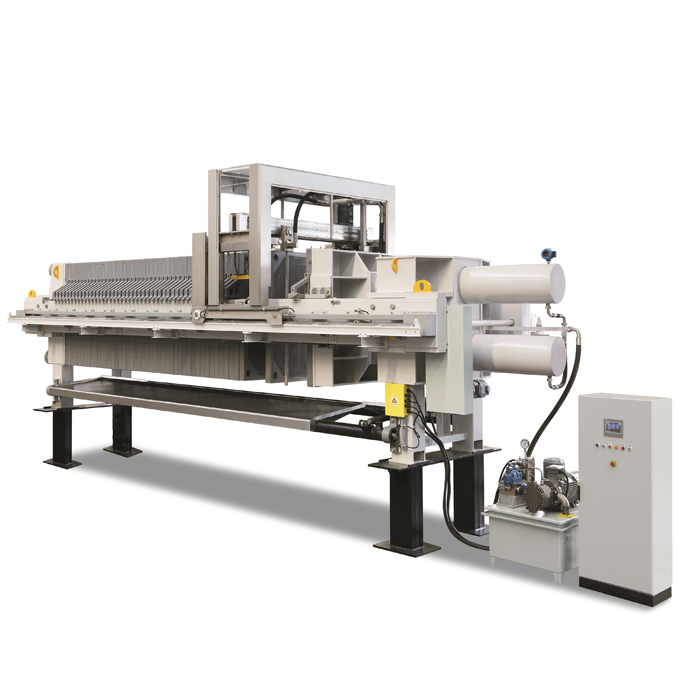
Compared to a traditional vacuum drum filter using a filter cloth, the advantages are profound. The rigid, uniform pore structure of the ceramic is not susceptible to blinding in the same way a flexible cloth is. The capillary action achieves a much lower cake moisture content, often dropping it from over 20% down to under 10%. This reduction has massive economic consequences, saving on fuel for drying, reducing shipping weight, and improving the efficiency of smelters. The hardness of the ceramic material makes it virtually immune to the abrasive wear that plagues filter cloth, leading to a much longer operational life and drastically reduced maintenance downtime. These large-scale dewatering systems, which are a specialized form of a heavy-duty filter press, represent one of the most impactful ceramics filtration applications in heavy industry.
Case Study: Iron Ore Tailing Dewatering
Consider the case of a large iron ore mine. The "tailings" are the waste material left over after the valuable iron has been extracted. This is a very fine, clay-like slurry that is notoriously difficult to dewater. Historically, these tailings were pumped into vast ponds, or tailings dams, where the solids would slowly settle over decades. These dams represent a significant environmental liability and tie up huge amounts of water.
By implementing a ceramic disc filtration plant, the mine can transform its waste management. The ceramic filters can take the tailings slurry and produce two streams: a clear filtrate water that can be immediately reused in the processing plant, reducing the mine's overall freshwater consumption by up to 90%, and a solid cake. This cake is dry and stable enough to be "dry stacked." Instead of a liquid pond, the waste becomes a manageable, compact landfill that can be progressively rehabilitated. The risk of a catastrophic dam failure is eliminated. The water is kept in a closed loop, not left to evaporate from a pond. This shift from wet to dry tailings management, enabled by the efficiency of ceramics filtration applications, is a monumental step forward in sustainable mining.
Economic and Environmental Implications
The economic argument for ceramic filtration in mining is compelling, despite the higher initial capital investment compared to traditional systems. The savings come from multiple avenues. Reduced cake moisture lowers the energy costs for any subsequent drying steps. Lower moisture also means less weight to transport, a significant saving for concentrates shipped long distances. The dramatic reduction in maintenance downtime and the elimination of recurring costs for filter cloth replacement improve the overall plant availability and profitability.
From an environmental perspective, the benefits are equally stark. The ability to achieve a closed water loop drastically reduces the demand on local water resources, which is a major concern in many arid mining regions of South America, Africa, and Australia. The production of a dry, stackable tailings cake, as discussed, mitigates the long-term environmental risk associated with massive tailings dams. The efficiency of these systems demonstrates how advanced material science can directly contribute to a more responsible and sustainable model for resource extraction.
2. Enhancing Water and Wastewater Treatment
The provision of clean water and the responsible management of wastewater are foundational pillars of public health and environmental protection. For decades, water treatment has relied on a sequence of processes: coagulation to clump particles together, sedimentation to let them settle, and sand filtration to remove the rest. While effective to a point, this approach struggles with the removal of very fine particles, microorganisms like bacteria and viruses, and emerging chemical micropollutants. Advanced ceramics filtration applications are providing a powerful tool to elevate the standard of water purification and enable new paradigms in water reuse.
Addressing Micropollutants and Pathogens
Conventional water treatment plants are not always effective at removing microscopic pathogens. Chlorine disinfection is used to kill bacteria and viruses, but some organisms, like the protozoa Cryptosporidium and Giardia, are highly resistant to chlorine. An outbreak of cryptosporidiosis can cause widespread gastrointestinal illness. Ceramic microfiltration (MF) or ultrafiltration (UF) membranes provide an absolute physical barrier to these pathogens. With pore sizes smaller than the organisms themselves, the membranes physically block them from passing into the treated water supply. This offers a level of safety and reliability that chemical disinfection alone cannot guarantee (Gitis & Hankins, 2018).
Beyond pathogens, there is growing concern about "micropollutants" – trace amounts of pharmaceuticals, personal care products, and industrial chemicals that find their way into water sources. While the long-term health effects are still being studied, their presence is undesirable. Nanofiltration (NF) ceramic membranes, with their even smaller pore sizes, can reject many of these larger organic molecules, providing an additional layer of purification that conventional systems lack.
Membrane Bioreactors (MBRs) with Ceramic Plates
One of the most significant innovations in wastewater treatment over the past two decades is the membrane bioreactor, or MBR. A traditional wastewater plant uses large settling tanks (clarifiers) to separate the clean water from the biological sludge (the microorganisms that consume the waste). This is a slow, space-intensive process.
An MBR replaces the entire sedimentation stage with a filtration unit. The biological reactor, where the microbes do their work, is filled with either hollow-fiber or flat-sheet membrane modules. In an MBR using ceramic flat plates, these robust plates are submerged directly in the activated sludge. A slight suction is applied, drawing crystal-clear water through the ceramic filter plate while leaving all the microorganisms and suspended solids behind.
The advantages of this approach are immense. Because the separation is done by a positive barrier (the filter plate) rather than by gravity, the concentration of beneficial microorganisms in the reactor can be kept much higher. This means the plant can treat more waste in a much smaller footprint—often reducing the required land area by 50% or more. The quality of the effluent is exceptionally high, free of suspended solids and bacteria, making it ideal for reuse applications like irrigation or industrial processes.
While polymeric membranes are also used in MBRs, ceramic plates offer distinct advantages. They are not susceptible to degradation from the chemical and biological environment of the sludge. They can be cleaned more aggressively and effectively, a process known as backwashing, where permeate is forced backward through the filter plate to dislodge foulants. This leads to more stable performance and a much longer lifespan, making them a wise long-term investment for municipal or industrial wastewater facilities. The integration of a durable ceramic filter plate transforms the reliability of the entire system.
The Role in Tertiary Treatment and Water Reuse
As populations grow and freshwater sources become more stressed, the concept of "water reuse" or "water reclamation" is moving from a novelty to a necessity. This involves treating wastewater to such a high quality that it can be safely used again. The effluent from a ceramic membrane bioreactor is already of a very high quality. It can be used directly for agricultural irrigation or as cooling water in industrial plants.
To produce water pure enough for drinking (a process known as direct potable reuse), further steps are needed. The high-quality effluent from a ceramic MBR serves as the ideal feed for a subsequent reverse osmosis (RO) system. Because the water entering the RO unit is already so clean, the RO membranes are protected from fouling and can operate much more efficiently and last longer. The combination of ceramic MBR followed by RO is considered one of the most robust and reliable treatment trains for turning wastewater into pure drinking water. This is a leading example of how ceramics filtration applications can help create a circular economy for water.
A Look at Industrial Effluent Treatment
Industries generate a wide variety of challenging wastewater streams. A textile mill might produce effluent with intense color from dyes. A pulp and paper mill generates wastewater laden with organic compounds and suspended fibers. A chemical manufacturing plant can produce effluent with extreme pH and a complex mix of chemicals.
For each of these, ceramic membranes offer a tailored solution. Their chemical inertness allows them to treat highly acidic or alkaline waste streams that would destroy polymeric filters. Their thermal stability enables the treatment of hot effluent without the need for costly pre-cooling. For the textile mill, a nanofiltration membrane might be able to separate the large dye molecules from the water, allowing both the water and potentially the valuable dye to be recovered. For the paper mill, microfiltration can recover fibers and clean the water for reuse within the plant. The robustness of ceramic systems makes them a versatile problem-solver for the most difficult industrial wastewater challenges.
3. Advancing the Food and Beverage Industry
The food and beverage industry is governed by stringent demands for product quality, safety, and shelf stability. Filtration plays a pervasive role, from clarifying juices and sterilizing milk to concentrating proteins. In this sector, ceramics filtration applications are prized not only for their efficiency but also for their ability to preserve the delicate flavors, colors, and nutritional value of the final product while ensuring microbiological safety.
Clarification of Juices, Wine, and Beer
Have you ever wondered how apple juice achieves its crystal-clear appearance? After pressing, the juice is a cloudy suspension of fine pulp, pectin, and starch particles. The traditional method for clarifying it involves adding enzymes to break down the pectin and then using fining agents like gelatin or bentonite to clump the solids together so they can be settled out or filtered. This process can be slow, can strip some flavor, and often involves additives.
Cross-flow microfiltration using ceramic membranes offers a purely physical, more refined alternative. The cloudy juice is pumped across the surface of a ceramic membrane. The clear juice serum passes through the pores, while all the haze-forming particles are retained. The process is continuous, fast, and avoids the need for fining agents. The result is a brilliantly clear, stable juice that has retained more of its natural aroma and flavor.
A similar principle applies to winemaking and brewing. After fermentation, wine and beer contain yeast cells and other particulates that make them cloudy. Ceramic microfiltration can replace traditional methods like diatomaceous earth (DE) filtration. DE is a fine powder that is itself a potential health hazard for workers and creates a solid waste disposal problem. Ceramic filtration is a closed, clean system that effectively removes yeast and spoilage bacteria, producing a bright, stable product ready for bottling. This "cold sterilization" can also reduce or eliminate the need for preservatives like sulfites in wine.
Dairy Processing: Milk Fractionation and Whey Protein Concentration
The dairy industry is another area where ceramics filtration applications have made a significant impact. Milk is a complex emulsion of fat globules and a solution of proteins (casein and whey), lactose (milk sugar), and minerals. Ceramic membranes allow for the precise separation of these components.
For example, microfiltration can be used to separate casein from whey proteins. The larger casein micelles are retained by the membrane, while the smaller whey proteins pass through with the permeate. This is a key step in cheese making and in the production of casein-based ingredients.
Perhaps the most prominent application is in the processing of whey, the liquid byproduct of cheese making. Once considered a waste product, whey is now recognized as a valuable source of high-quality protein. Using ultrafiltration, typically with ceramic membranes that can withstand the frequent and aggressive cleaning cycles required in dairy plants, the whey protein can be concentrated. Water, lactose, and minerals pass through the membrane, while the protein is retained and concentrated. This concentrated whey protein is the basis for the protein powders widely used in sports nutrition and as a functional food ingredient. The ability of ceramic filters to handle the fatty, protein-rich, and fouling-prone nature of dairy streams is key to their success.
Ensuring Safety and Extending Shelf Life
Beyond clarification and fractionation, ceramic membranes contribute directly to food safety. Microfiltration is an effective method for "cold pasteurization." By physically removing bacteria, it can significantly reduce the microbial load in a liquid product without using heat. Heat pasteurization can alter the flavor and degrade heat-sensitive vitamins in products like fruit juice or milk. Filtration provides a gentler alternative that can lead to a fresher-tasting product with a longer shelf life.
The durability and cleanability of ceramic systems are paramount in a food processing context. Food plants must adhere to strict hygiene standards, which involve frequent and rigorous cleaning-in-place (CIP) procedures using hot water, caustic solutions, and acids. Ceramic membranes, unlike their polymeric counterparts, can easily withstand these harsh CIP regimes day after day for years. This ensures that the system can be maintained in a perfectly sanitary condition, preventing any risk of microbial contamination from the filter itself. This reliability is a non-negotiable requirement in the production of safe food and beverages.
4. Optimizing Pharmaceutical and Biotechnological Processes
In the world of pharmaceuticals and biotechnology, the stakes are exceptionally high. Product purity is not just a matter of quality; it is a matter of patient safety. Contamination by even trace amounts of impurities, byproducts, or microorganisms can render a multi-million dollar batch of a life-saving drug useless. Manufacturing processes must be sterile, precise, and repeatable. In this demanding environment, the unique properties of ceramic filters provide solutions for some of the most difficult separation challenges, from harvesting delicate cells to purifying active pharmaceutical ingredients (APIs).
Sterile Filtration and Cell Harvesting
Many modern drugs, especially biologics like monoclonal antibodies, are produced using genetically engineered cells (like Chinese Hamster Ovary, or CHO, cells) grown in large bioreactors. After these cells have produced the desired protein, they must be separated from the liquid growth medium that contains the valuable product. This is the first step in a long and complex "downstream processing" train.
The challenge is to remove the cells and other debris completely without damaging the target protein. Ceramic microfiltration membranes are exceptionally well-suited for this task. The cross-flow operation gently separates the cells from the liquid, minimizing the shear forces that could tear the cells apart and release unwanted intracellular contents into the product stream. The absolute pore size rating of the ceramic membrane ensures that all cells are removed, resulting in a perfectly clear, cell-free harvest fluid ready for the next purification step.
Furthermore, many pharmaceutical processes require sterile filtration—the complete removal of all bacteria to produce an injectable-grade product. While 0.2-micrometer polymeric filters are the traditional standard, ceramic membranes with equivalent pore sizes can also be used, with the significant advantage that they can be repeatedly sterilized with high-pressure steam (steam-in-place, or SIP) without any degradation. This robustness ensures long-term, reliable sterility.
The Purity Demands of Active Pharmaceutical Ingredients (APIs)
The synthesis of a chemical API often involves multiple reaction steps, with catalysts used to speed up the reactions and various solvents used to dissolve the reactants. After a reaction is complete, the valuable API must be separated from the spent catalyst particles, unreacted starting materials, and byproducts.
This is a classic scenario where ceramics filtration applications excel. Many chemical syntheses are carried out in aggressive organic solvents or at elevated temperatures—conditions that would quickly destroy a polymeric filter. A ceramic filter, however, is completely unfazed. It can be used to efficiently recover a valuable (and often expensive) solid catalyst from a hot solvent stream, allowing the catalyst to be recycled. It can also be used to clarify the final API solution, removing any particulate impurities before the final crystallization step. The purity of the final crystallized API is directly related to the purity of the solution it is crystallized from. By providing a perfectly clear, particle-free solution, ceramic filtration contributes directly to achieving the high purity standards required by regulatory bodies like the FDA.
Downstream Processing and Product Concentration
After the initial cell harvest, the dilute solution containing the target biologic drug must be purified and concentrated. This often involves a series of chromatographic steps, which are very expensive and operate at a relatively small scale. Ultrafiltration is used both before and after these steps.
Before chromatography, ultrafiltration can be used to concentrate the dilute harvest fluid, reducing the massive volumes that need to be processed and thereby shrinking the size and cost of the chromatography equipment. After several chromatography steps have purified the product, ultrafiltration is used again in a process called diafiltration. In this step, the purified protein solution is continuously "washed" by adding a fresh buffer solution while permeate is removed. This effectively exchanges the buffer the protein is in and removes any final small-molecule impurities.
Ceramic ultrafiltration membranes are a strong candidate for these steps due to their high flux and extreme durability. The ability to be rigorously cleaned and sterilized ensures that there is no cross-contamination between different product batches, a major regulatory concern. The long operational life and stable performance of a ceramic system provide the process reliability that is essential in a validated pharmaceutical manufacturing environment. The choice of a specific filter plate or membrane configuration is tailored to the specific protein and process conditions.
5. Innovating in the Chemical and Petrochemical Sectors
The chemical and petrochemical industries are characterized by large-scale processes operating under extreme conditions. High temperatures, high pressures, corrosive chemicals, and abrasive catalysts are commonplace. For filtration and separation technologies, this environment is the ultimate test of durability. For many years, certain process streams were considered "unfilterable" with conventional membrane technology. The advent of highly robust ceramic membranes, particularly those made of silicon carbide, has opened new avenues for process intensification, waste reduction, and product improvement in these heavy industries.
Catalyst Recovery and Solvent Filtration
Catalysts are the unsung heroes of the chemical industry. These materials, often precious metals deposited on a support material, accelerate chemical reactions without being consumed themselves. They are essential for producing everything from plastics to fertilizers. Because catalysts are often very expensive, recovering them efficiently from the product stream for reuse is an economic necessity.
Many catalysts are in the form of fine powders suspended in a liquid reaction medium. After the reaction, they need to be separated. Traditional methods like centrifugation or decantation can be inefficient, leading to catalyst loss. Filtration is a more effective option, but the conditions are often brutal. The liquid might be a hot, aggressive organic solvent like toluene or xylene. A polymeric filter would simply dissolve. A ceramic filter, on the other hand, is perfectly suited for this role. It can operate at high temperatures and is impervious to virtually all organic solvents. A cross-flow ceramic microfiltration system can continuously separate the solid catalyst particles from the liquid product, allowing the catalyst to be returned directly to the reactor and yielding a particle-free product stream. This is one of the most valuable ceramics filtration applications in chemical production.
Similarly, the filtration of solvents themselves to remove particulate contamination is another key application. Clean solvents improve reaction efficiency and product purity. The ability of ceramic filters to handle a wide range of chemical compositions makes them a universal tool for solvent clarification throughout a chemical plant.
Resisting Aggressive Chemicals and High Temperatures
Let's consider a process that involves a hot, concentrated sulfuric acid stream containing some solid impurities. Finding a material that can withstand these conditions is difficult. Most metals would corrode rapidly, and any polymer-based material would be instantly destroyed. This is where a silicon carbide (SiC) ceramic membrane becomes the enabling technology. SiC is one of the most chemically inert substances commercially available. It can handle the full range of pH, from fuming nitric acid to hot, concentrated sodium hydroxide.
This extreme resilience allows for the filtration of process streams that were previously untreatable. It allows chemical engineers to design more efficient processes without being constrained by the limitations of their separation equipment. For example, they can run reactions at higher temperatures to increase the reaction rate, knowing they have a filtration solution that can handle the output. The ability to filter hot, aggressive liquids directly also saves significant energy and capital cost, as it eliminates the need to cool the stream before filtration and then reheat it for the next process step. The implementation of a robust filter press or module equipped with ceramic components is a game-changer.
Improving Product Purity and Process Yield
In the production of fine chemicals and specialty polymers, final product quality is paramount. Even small amounts of particulate contamination can render a product off-spec. Ceramic filtration, with its absolute particle retention, provides a final "polishing" step to guarantee product clarity and purity.
Moreover, by enabling more efficient separations, ceramic membranes can directly improve the overall process yield. In a reaction where a solid product is precipitated from a liquid, a ceramic filter can ensure that every last particle of product is captured, maximizing the yield. In catalyst recovery, as discussed, minimizing the loss of the expensive catalyst directly impacts the process economics. By closing loops and enabling the recovery and reuse of valuable materials—be they catalysts, solvents, or the products themselves—ceramics filtration applications contribute to a more efficient, profitable, and sustainable chemical industry. The technology allows processes to be pushed closer to their theoretical limits, turning what was once waste into a valuable resource.
6. Managing Oily Wastewater in Metalworking and Manufacturing
Across a wide swath of manufacturing industries, from automotive plants to small machine shops, water is used in combination with oils and lubricants. In metalworking, "coolants" or "cutting fluids" are used to lubricate and cool the workpiece and cutting tool. In steel rolling, massive quantities of water and oil are sprayed on the hot steel. The result of these processes is a challenging waste stream: oily wastewater. This is not simply oil floating on top of water; it is often a stable emulsion, where microscopic droplets of oil are permanently suspended in the water, giving it a milky appearance.
Discharging this oily water is environmentally harmful and strictly regulated. Treating it is notoriously difficult. Traditional methods like chemical treatment (to break the emulsion) and gravity separation are often incomplete and generate a secondary waste sludge that also needs to be disposed of. Here, ceramic membrane technology offers a cleaner, more effective, and often more economical physical separation solution.
The Complexity of Oil-Water Emulsions
To appreciate the solution, one must first respect the problem. An emulsion is stabilized by surfactant molecules—chemicals that have a water-loving (hydrophilic) head and an oil-loving (oleophobic) tail. These molecules arrange themselves at the surface of the oil droplets, creating a barrier that prevents the droplets from coalescing into a separate oil layer. The wastewater from a metalworking shop is a complex cocktail of different oils, greases, metal fines, and a brew of proprietary surfactant chemicals.
Conventional filtration methods often fail here. A simple filter cloth or sand filter will quickly become coated with a slimy layer of oil, a phenomenon called fouling, which blocks the flow of water completely. Polymeric membranes also struggle; the oils can be absorbed into the polymer matrix, causing the membrane to swell and lose its filtration properties, a form of irreversible fouling.
How Ceramic Membranes Break Emulsions
Ceramic membranes, particularly those made from materials like silicon carbide, possess surface properties that make them uniquely suited for this task. Many ceramic materials are naturally hydrophilic (water-attracting) and oleophobic (oil-repelling). When the oily water is passed over the membrane surface in a cross-flow configuration, the water is preferentially drawn to and through the membrane pores. The oil droplets, being repelled by the surface, are kept in the bulk flow and are swept away.
The process effectively breaks the emulsion by physical means. The permeate that passes through the membrane is crystal-clear water, often clean enough to be discharged directly to the sewer or, even better, reused within the plant as process water. The retentate stream becomes an increasingly concentrated oil-in-water mixture. This concentrated stream can be further processed to recover the oil for reuse or disposal, but its volume is now a small fraction of the original wastewater stream, dramatically reducing disposal costs.
The robustness of ceramics is key. The abrasive metal fines in the wastewater do not damage the hard ceramic surface. The aggressive cleaning chemicals that are needed to periodically remove any stubborn oil films are easily tolerated by the chemically inert membrane. This makes for a reliable, long-term solution. This is one of the most economically compelling ceramics filtration applications for a wide range of manufacturing facilities.
Meeting Stringent Environmental Discharge Regulations
Environmental agencies around the world are continuously tightening the limits on the amount of oil and grease that can be present in discharged water. A limit of 10-15 parts per million (ppm) is common. Achieving this level of purity with traditional chemical treatment can be difficult and inconsistent.
A ceramic ultrafiltration system, however, can reliably produce a permeate with oil concentrations well below 5 ppm, and often below 1 ppm. This provides a plant with a comfortable margin of compliance, eliminating the risk of fines and forced shutdowns. For companies operating in environmentally sensitive areas or those with a strong corporate commitment to sustainability, ceramic membrane filtration is the best available technology for managing oily wastewater. It transforms a problematic waste stream into two manageable, and potentially valuable, resources: clean water and concentrated oil. The ability to meet and exceed regulatory requirements while also reducing operational costs is a powerful driver for the adoption of this technology.
7. Emerging Applications in Power Generation and Beyond
While the previously discussed areas represent the most established and widespread ceramics filtration applications, the unique capabilities of this technology are continuously finding footholds in new and emerging fields. The drive for cleaner energy, more efficient resource extraction, and novel biotechnologies creates complex separation challenges, and ceramic membranes are often a key part of the solution. These forward-looking applications hint at the future direction of advanced filtration.
Flue Gas Desulfurization (FGD) Wastewater Treatment
Coal-fired power plants are a major source of sulfur dioxide (SO₂), a primary contributor to acid rain. To combat this, many plants are equipped with flue gas desulfurization (FGD) systems, or "scrubbers." In a wet FGD system, the flue gas is passed through a slurry of limestone, which reacts with the SO₂. While this cleans the air, it creates a new problem: a wastewater stream from the scrubber.
This FGD wastewater is a particularly nasty brew. It is a brine saturated with chlorides and sulfates, and it contains high concentrations of suspended solids (gypsum and unreacted limestone) as well as toxic heavy metals like mercury, arsenic, and selenium that were present in the coal. Treating this water is a significant challenge. The high salinity and presence of suspended solids make it difficult for many conventional treatment processes.
Ceramic microfiltration has emerged as a critical pretreatment step. Used in a filter press or similar module, the ceramic membranes can effectively remove all the suspended solids and a portion of the heavy metals that are associated with those solids. The ceramic material's tolerance for high salinity and abrasive particles makes it ideal for this first, crucial clarification step. The clear, particle-free brine that passes through the ceramic filter can then be more effectively treated by subsequent processes, such as chemical precipitation or biological treatment, designed to remove the dissolved heavy metals before the water can be safely discharged.
Treatment of Produced Water in Oil and Gas
During the extraction of oil and natural gas, large volumes of water are brought to the surface along with the hydrocarbons. This "produced water" is the largest volume waste stream in the oil and gas industry. It is typically a very complex and challenging mixture, containing high concentrations of dissolved salts (it is often much saltier than seawater), dispersed oil droplets, dissolved organic compounds, and suspended solids.
Traditionally, this water was managed through large gravity-based separation tanks and then often re-injected into deep disposal wells. However, as regulations tighten and water scarcity increases, there is a strong push to treat and reuse this water, especially in hydraulic fracturing operations.
This is an ideal scenario for silicon carbide (SiC) ceramic membranes. Their unparalleled chemical resistance can handle the aggressive brines. Their oleophobic surface properties are perfect for separating the dispersed oil. Their thermal stability allows for the treatment of hot produced water directly from the wellhead. A SiC ultrafiltration system can take raw produced water and produce a clear permeate, free of oil and suspended solids. This treated water is of high enough quality to be reused in drilling and fracturing operations, significantly reducing the industry's reliance on fresh water sources. It is a prime example of a harsh-environment problem finding its solution in advanced material science.
Future Horizons: Lithium Brine Extraction and Microalgae Harvesting
The world of 2025 is increasingly powered by batteries, and the demand for lithium is soaring. A significant portion of the world's lithium is found in underground brine deposits in regions like South America. Extracting lithium from these brines traditionally involves pumping the brine into vast evaporation ponds, a process that takes many months and has a significant environmental footprint.
Researchers are actively developing direct lithium extraction (DLE) technologies, many of which involve using selective membranes or sorbents to pull lithium directly from the brine. Ceramic nanofiltration membranes are being explored as a key component in these new processes. They could be used to pre-concentrate the brine or to separate lithium ions from other, less desirable ions like magnesium and calcium, dramatically improving the efficiency and speed of the extraction process while reducing the need for massive evaporation ponds.
Another field ripe for innovation is biotechnology based on microalgae. These microscopic organisms can be cultivated to produce biofuels, high-value nutritional supplements, and animal feed. A major bottleneck in this industry is the energy-intensive process of harvesting the tiny algae cells from the vast volumes of water they are grown in. Ceramic microfiltration offers a potentially more efficient and gentler harvesting method compared to centrifugation, helping to make algae-based production more economically viable. These forward-looking ceramics filtration applications demonstrate the technology's potential to underpin the green industries of the future.
Selecting and Implementing a Ceramic Filtration System
The decision to adopt ceramic filtration technology requires a thoughtful analysis of the process stream and long-term economic goals. It is not a one-size-fits-all solution. Proper system design, preliminary testing, and a clear understanding of operational requirements are necessary for a successful implementation. The process involves moving from a conceptual understanding of the technology's benefits to a practical, engineered system tailored to a specific need.
Key Parameters for System Design
Designing a ceramic filtration system is a multi-step process that involves a deep dive into the characteristics of the fluid to be treated.
-
Feed Characterization: The first step is a thorough analysis of the feed stream. What is the concentration and size distribution of the suspended solids? What is the chemical composition of the liquid? Are there oils or other fouling agents present? What is the pH and temperature of the stream? This information is fundamental to selecting the right membrane material and pore size. A highly abrasive slurry points towards silicon carbide, while a less demanding water treatment application might be well-served by alumina.
-
Filtration Goal: What is the desired outcome? Is the goal to achieve a perfectly clear permeate, to concentrate the retained solids, or both? The required purity of the permeate will dictate the choice between microfiltration, ultrafiltration, or nanofiltration. The target concentration of the retentate will influence the design of the cross-flow loop.
-
Flux and Area Calculation: Based on the feed characteristics and filtration goals, engineers will determine the expected stable flux (e.g., in LMH). This, combined with the total volume of fluid that needs to be processed per day, allows for the calculation of the total membrane surface area required. This calculation determines the number and size of the membrane modules needed for the full-scale system.
-
System Configuration: The modules themselves can be configured in various ways. Common formats include tubular membranes, multi-channel monoliths, and flat plates assembled into a stack. The choice depends on factors like the solids concentration and the viscosity of the fluid. A well-designed system, which might resemble a sophisticated automatic filter press, integrates these modules with the necessary pumps, tanks, piping, and control systems.
The Importance of Pilot Testing
Because every industrial process stream is unique, it is rarely advisable to go directly from a paper design to a full-scale installation. Pilot testing is a small-scale trial that provides invaluable real-world data. A pilot unit, containing a small amount of the actual membrane area that would be used in the full system, is brought on-site and run with the actual process fluid.
This testing serves several purposes. It validates the choice of membrane material and pore size. It allows for the determination of the actual sustainable flux and the optimal operating parameters, such as transmembrane pressure and cross-flow velocity. It provides an opportunity to test and refine the cleaning protocol. How frequently is backwashing needed? What chemicals are most effective for cleaning? The data gathered during a pilot trial removes the guesswork from the design process and provides a high degree of confidence in the projected performance and economic return of the full-scale system. It is a prudent investment that mitigates the risk of a costly design error.
Maintenance and Cleaning Protocols: Ensuring Longevity
One of the primary advantages of ceramic membranes is their ability to be restored to their original performance through cleaning. A well-defined cleaning protocol is essential to realizing the long lifespan of the system.
- Backwashing: This is the most frequent cleaning operation. For a short period, the flow is reversed, and clean permeate is pushed backward through the membrane from the inside out. This hydraulic force dislodges the cake layer that has built up on the surface, quickly restoring flux. This can be done automatically every 15-60 minutes without stopping the overall process.
- Chemically Enhanced Backwashing (CEB): Over time, some foulants may adhere more strongly to the membrane surface. A CEB involves performing a backwash with a dilute chemical solution, such as a mild acid, base, or oxidant. This helps to dissolve or break down more stubborn foulants.
- Cleaning-in-Place (CIP): This is a more intensive cleaning procedure performed less frequently (e.g., once a week or once a month). The system is taken offline for a short period, and the membranes are soaked and flushed with more concentrated cleaning solutions, often at an elevated temperature. The ability of ceramic membranes to withstand hot, strong acids and caustics is what makes a full recovery of performance possible.
A properly maintained ceramic filtration system, with a robust and automated cleaning regimen, can operate reliably for a decade or more, even in the most challenging industrial environments. This longevity, coupled with consistent performance, is the foundation of its favorable long-term economics.
Frequently Asked Questions (FAQ)
What is the main advantage of ceramic filters over polymer filters? The primary advantage is their robustness. Ceramic filters exhibit superior resistance to high temperatures, aggressive chemicals (both acidic and alkaline), and physical abrasion. This allows them to operate in harsh industrial environments where polymer filters would quickly fail, leading to a much longer operational lifespan.
Are ceramic filters expensive? Ceramic filtration systems typically have a higher initial capital cost compared to polymeric systems of a similar size. However, their total cost of ownership is often lower due to their extremely long lifespan (10+ years vs. 3-7 years for polymers), reduced need for frequent replacement, and lower maintenance downtime.
How are ceramic filters cleaned? They are most commonly cleaned by a process called backwashing, where clean water is momentarily forced backward through the filter to dislodge accumulated particles. For more stubborn fouling, they can be cleaned with aggressive chemicals like strong acids, caustics, and oxidants, as well as with hot water or steam, without being damaged.
What industries benefit most from ceramics filtration applications? Industries dealing with harsh conditions see the greatest benefit. These include mining and mineral processing (for dewatering abrasive slurries), chemical and petrochemical production (for catalyst recovery in hot solvents), and industrial wastewater treatment (for managing oily or chemically aggressive effluents).
Can ceramic filters remove dissolved substances like salt? Most ceramic filters are in the microfiltration (MF) or ultrafiltration (UF) range, meaning they remove suspended particles, bacteria, and large molecules but not small, dissolved substances like salt (e.g., sodium chloride). However, ceramic nanofiltration (NF) membranes are being developed that can remove some dissolved minerals and larger ions.
What is the difference between a ceramic filter plate and a filter cloth? A filter cloth is a flexible, woven fabric used in traditional filter presses. It is prone to clogging (blinding) and physical wear. A ceramic filter plate is a rigid, monolithic component with a highly engineered, microscopic pore structure. It offers much higher efficiency, better resistance to clogging, and a vastly longer service life.
How does cross-flow filtration work with ceramic membranes? In cross-flow filtration, the feed fluid flows parallel to the membrane surface. This high-velocity flow scours the surface, preventing a thick layer of contaminants from building up. A pressure difference forces the clean liquid (permeate) through the membrane pores, while the sweeping action carries the concentrated contaminants away.
What is "flux" in the context of filtration? Flux is a measure of the rate of filtration, defined as the volume of permeate that passes through a unit area of the filter membrane per unit of time. It is typically expressed in units of Liters per square meter per hour (LMH).
Conclusion
The journey through the landscape of ceramics filtration applications reveals a technology defined by resilience and precision. We have seen how the inherent properties of sintered ceramic materials—their thermal fortitude, chemical inertness, and mechanical strength—translate directly into solutions for some of the most persistent separation challenges across modern industry. From the large-scale dewatering of mineral concentrates in the mining sector to the sterile purification of life-saving drugs in pharmaceuticals, ceramic membranes provide a level of performance and reliability that conventional methods cannot match.
The shift towards this technology is not merely an incremental improvement; it represents a change in an operational philosophy. It is a move away from disposable media like filter cloth and short-lived polymeric elements towards a long-term, durable asset. The investment in a ceramic system, whether it be a robust filter press or a complex membrane bioreactor, is an investment in process stability, reduced maintenance, and long-term economic efficiency. Moreover, as we have explored in the realms of water reuse and waste stream management, these applications frequently yield significant environmental benefits, enabling industries to meet stricter regulations and move towards a more sustainable, circular model of operation. As industries continue to push the boundaries of process intensity and environmental responsibility in 2025 and beyond, the role of advanced ceramic filtration is set to expand, solidifying its position as an indispensable tool for modern separation science.
References
Gitis, V., & Hankins, N. (2018). Water treatment using ceramic membranes: A review. Water, 10(8), 1066. https://doi.org/10.3390/w10081066
He, F., Wang, Z., Wang, S., Li, Y., & Wang, J. (2020). Recent advances in the application of ceramic membranes for industrial wastewater treatment and resource recovery. Journal of Cleaner Production, 277, 123307.
Kowal, H. (2025). APA Citation Guide (7th edition) : In-Text Citation. Columbia College. Retrieved from
Li, K. (2007). Ceramic membranes for separation and reaction. John Wiley & Sons.
Purdue University. (n.d.). In-Text Citations: The Basics. Purdue OWL. Retrieved September 12, 2025, from https://owl.purdue.edu/owl/research_and_citation/apa_style/apa_formatting_and_style_guide/in_text_citations_the_basics.html
Sablani, S. S., Goosen, M. F. A., Al-Belushi, R., & Wilf, M. (2001). Concentration of fruit juices by reverse osmosis. Food and Bioproducts Processing, 79(4), 211-224. https://doi.org/10.1205/096030801753252199
Stephenson, T., Judd, S., Jefferson, B., & Brindle, K. (2000). Membrane bioreactors for wastewater treatment. IWA Publishing.
van Reis, R., & Zydney, A. (2007). Bioprocess membrane technology. Journal of Membrane Science, 297(1-2), 16-50.
Zhu, Z., Yuan, Y., Cui, Z., & Xing, W. (2019). Silicon carbide membranes: Preparation, applications and challenges. Journal of Membrane Science, 584, 144-162.