


In the ongoing pursuit of more efficient and effective water filtration solutions, the use of innovative materials has gained significant traction. Among these, woven filter fabric, geotextile filter fabric, and non-woven filter fabric have emerged as key players, offering unique advantages and wide-ranging applications. We’ll take you through the features and benefits of all three materials.
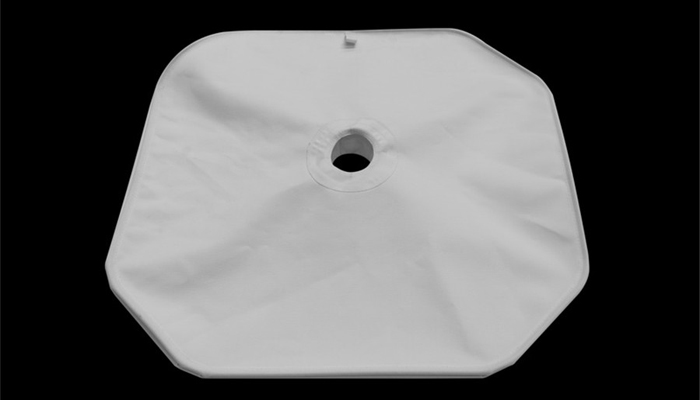
Woven Filter Fabric: Precision and Durability
Woven filter fabric, crafted from tightly interwoven fibers, offers a high degree of precision and durability in water filtration. Its intricate weaving pattern allows for the precise removal of particles and contaminants from water, ensuring a cleaner and safer end product.
This material is particularly suitable for applications requiring high filtration accuracy and long-term performance. For instance, in industrial wastewater treatment, woven filter fabric can efficiently remove suspended solids, oils, and other impurities, ensuring compliance with strict environmental regulations.
Geotextile Filter Fabric: Strength and Environmental Adaptability
Geotextile filter fabric, a specialized type of woven or non-woven fabric, is renowned for its strength and environmental adaptability. These fabrics are typically made from synthetic polymers such as polypropylene, polyester, or polyethylene, which provide exceptional durability and resistance to degradation.
Geotextile filter fabrics are widely used in civil engineering applications, including road construction, dam drainage, and erosion control. Their ability to separate, filter, reinforce, and protect soil makes them ideal for improving soil stability and drainage efficiency.
Non-Woven Filter Fabric: Versatility and Cost-Effectiveness
Non-woven filter fabric, constructed from randomly oriented fibers held together by mechanical, chemical, or thermal means, offers a unique combination of versatility and cost-effectiveness. This material is lightweight, flexible, and can be easily tailored to meet specific filtration requirements.
Non-woven filter fabrics are particularly suitable for applications where high air permeability and liquid retention are crucial. In water filtration, they can effectively remove particles and contaminants while allowing for rapid water flow.
Conclusion
The use of woven filter fabric, geotextile filter fabric, and non-woven filter fabric underscores the increasing diversity and innovation in water filtration materials. Each material offers unique advantages, making them suitable for a wide range of applications.
When choosing the ideal filter cloth, Jingjin uses its extensive knowledge in the filtration segment and takes account of various factors, such as the product to be filtered, pH, temperature, feed pressure, concentration of solids, desired residual moisture, and filtration time.